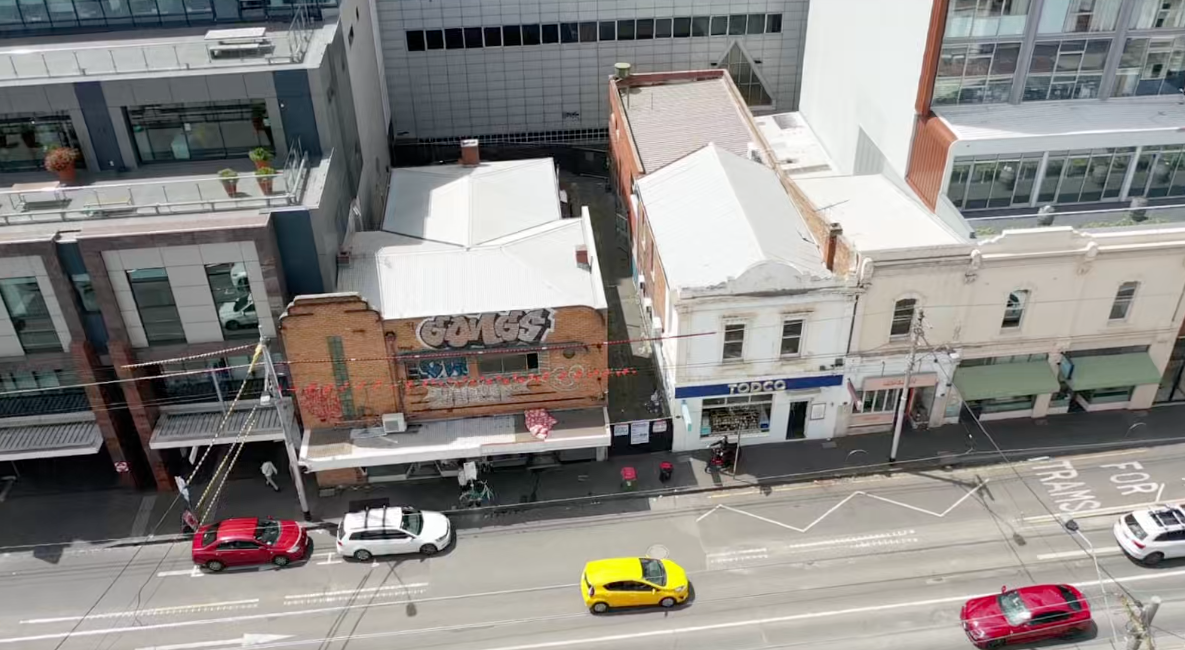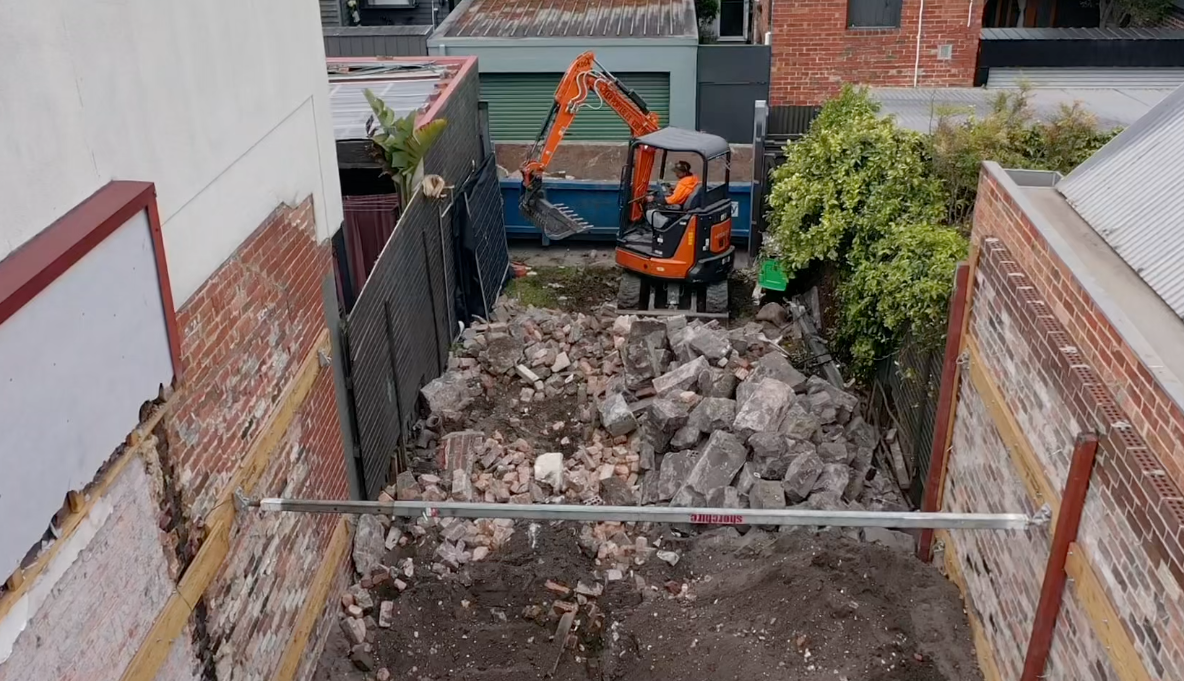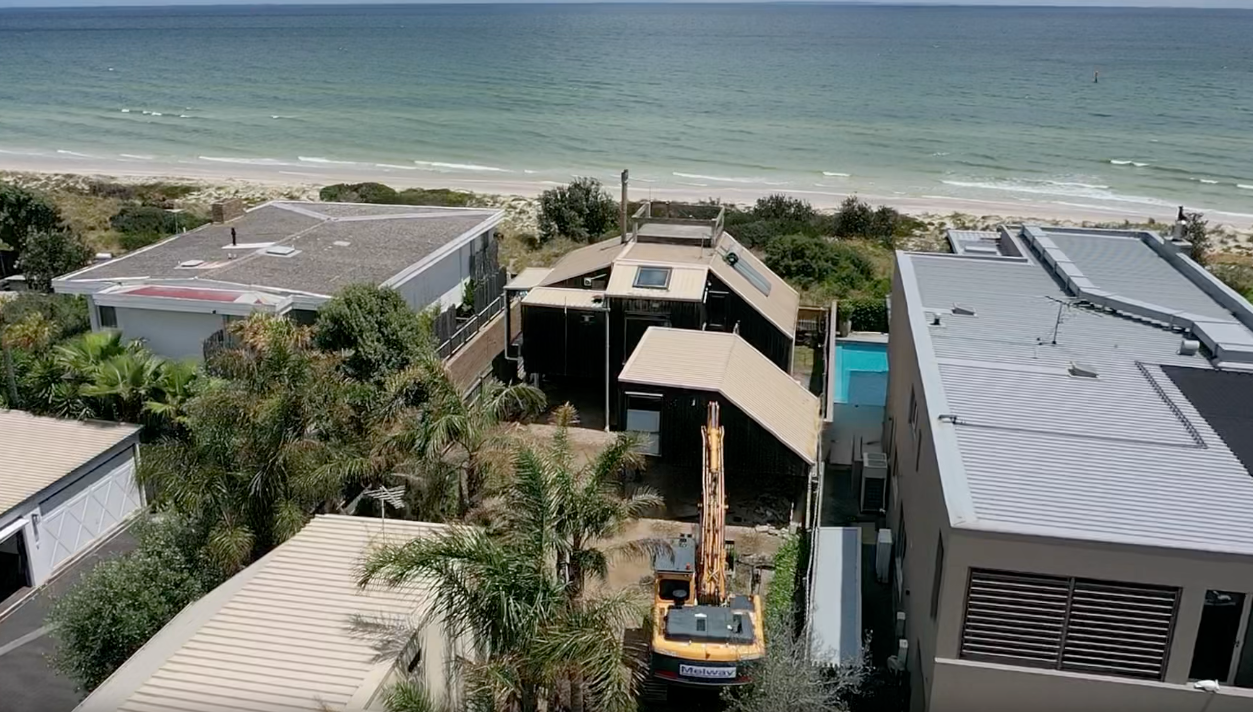
Demolishing a property is a significant milestone in any building or redevelopment project. For many homeowners and developers, it is also unfamiliar territory. Most clients are surprised by how many steps are involved and how much coordination is required before machinery even reaches the site.
To make the process clearer, we have put together an educational guide that outlines each stage of a standard residential demolition in Melbourne. When you work with Melway Demolition, you are supported throughout the entire process by your own demolition expert who ensures everything runs smoothly from start to finish.
1. Obtaining the Demolition Permit
Before any demolition work can begin, a demolition permit (also known as a building permit) must be issued by your local council. We work with our appointed building surveyor to prepare and lodge this application once we receive the required documents from you.
Council processing times vary, but permits typically take up to three weeks to be approved, provided no additional information is requested.
Documents required for a demolition permit
- Recent copy of the property title (no older than three months)
- Plan of subdivision or title plan
- Site or feature plan showing existing structures to be demolished
- Completed consent agreement or contract
- Completed surveyor appointment letter
Additional documents that may be required
Depending on your property and council requirements, further documentation may be requested. This can include:
- Heritage or vegetation protection overlays
- Footpath occupancy or hoarding permits
- Planning permits
- Construction management plans
- Protection works notices for neighbouring properties
- Any other documents requested by council or the building surveyor
2. Abolishment of Services
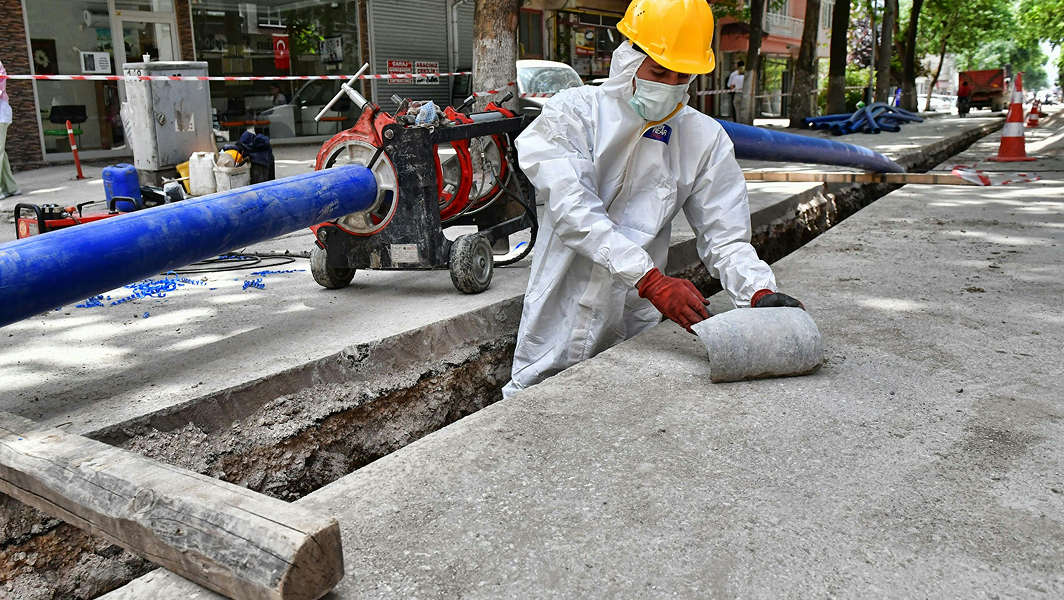
All services must be fully abolished, not just disconnected, before demolition can commence. This ensures the site is safe and compliant.
Services that require abolishment
- Gas: Removal of the gas meter and termination of supply
- Electricity: Removal of the electrical meter and power line
- Telecommunications: Removal or relocation of phone, NBN and cable services
Utility providers advise that abolishment’s can take up to 20 business days, so it is important to arrange these early. If needed, we can connect you with licensed contractors for telecommunications abolishment.
3. Sewer and Stormwater Capping
Your builder may require sewer and stormwater services to be capped before construction begins. A licensed plumber must complete this work. We can arrange this on your behalf and include it in your demolition quote if required.
4. Asbestos and Hazardous Materials
If asbestos or hazardous materials are identified during the assessment phase, they must be removed by a licensed contractor before demolition proceeds. Occasionally, hidden asbestos is discovered behind walls or underground once demolition begins. If this occurs, we will notify you immediately and discuss next steps.
Asbestos assessments and removal can take up to two weeks depending on contractor availability.
5. Asset Protection Permit
Councils require an asset protection permit to safeguard public infrastructure such as footpaths, kerbs, nature strips and roadways. This permit must be obtained before demolition begins and a copy provided to us.
6. Tree Removal Requirements
If your property falls within a vegetation protection overlay or contains protected trees, you may need a council permit to remove them. Approval times vary, so it is best to check requirements early in the process.
7. Temporary Fencing
Temporary or cyclone fencing must be installed around the site before demolition begins. This ensures public safety and restricts access to authorised personnel only. We can recommend contractors who supply and install fencing for a small fee.
8. Roof Tile Removal for Recycling
As part of our commitment to sustainable demolition practices, we remove roof tiles prior to machine demolition so they can be sent to quarries for recycling. This is one of the final preparation steps before the structure is taken down.
9. Dial Before You Dig
You are responsible for providing information about underground utilities on your property. This can be arranged by contacting Dial Before You Dig on 1100 or lodging a request online. This step helps prevent damage to underground services during demolition.
10. Demolition Day
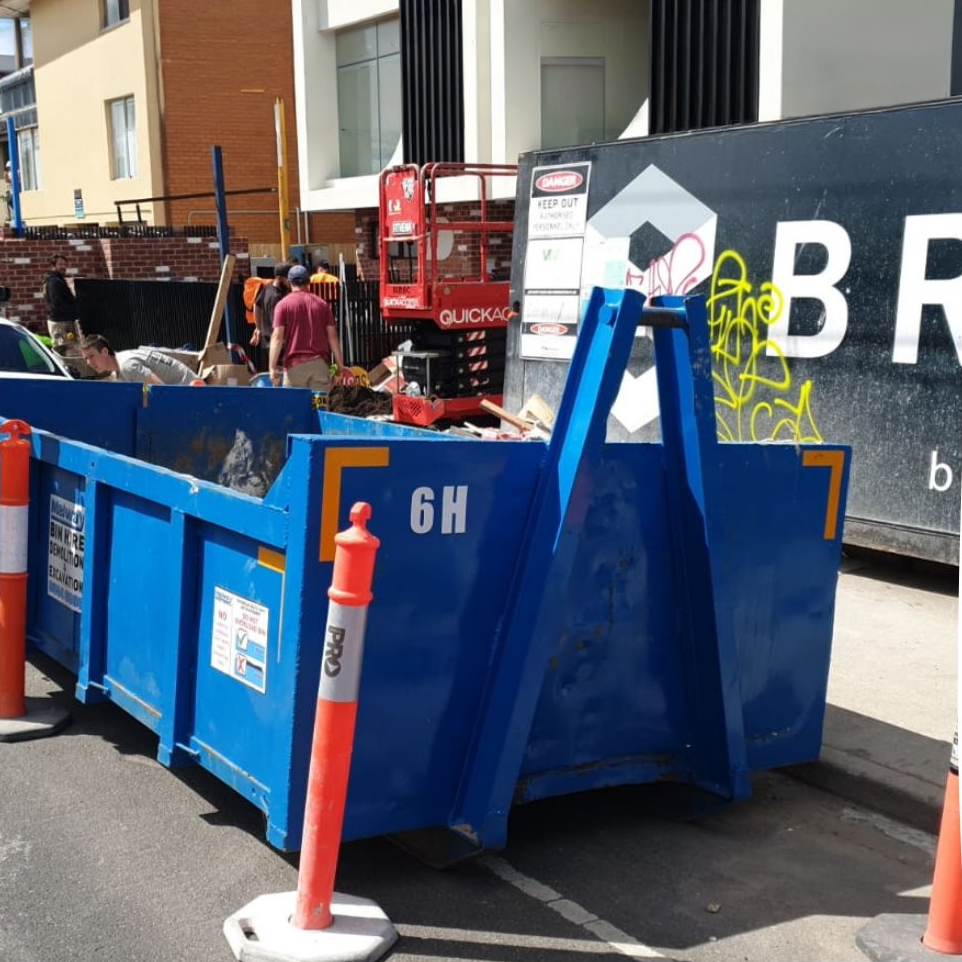
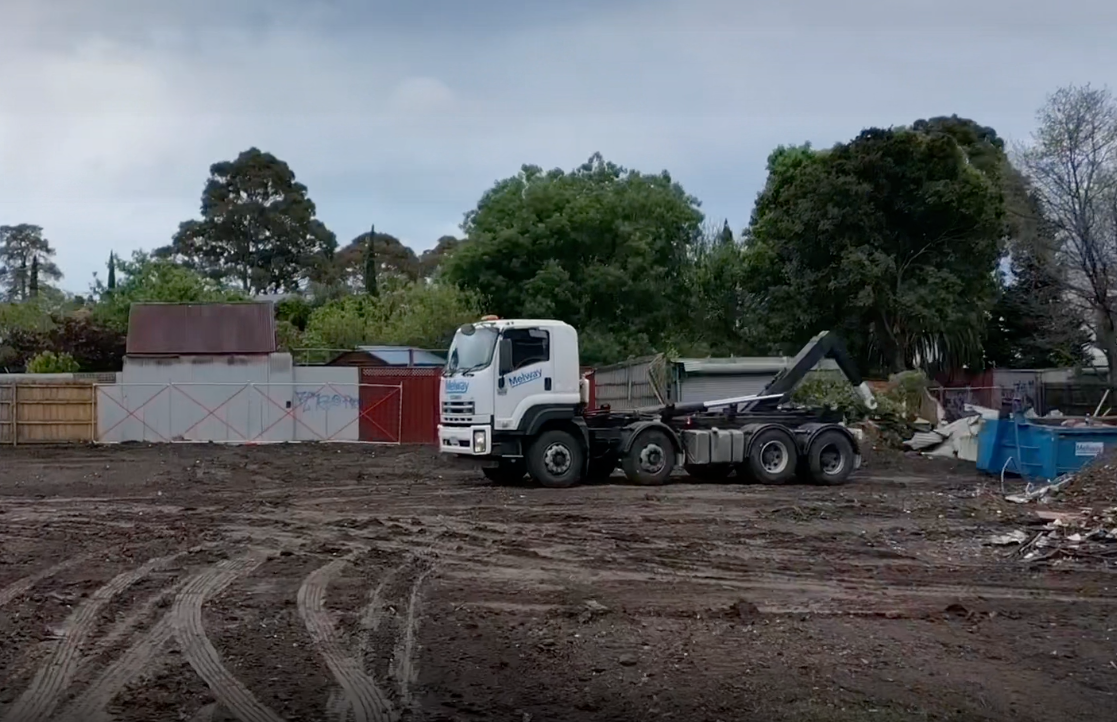
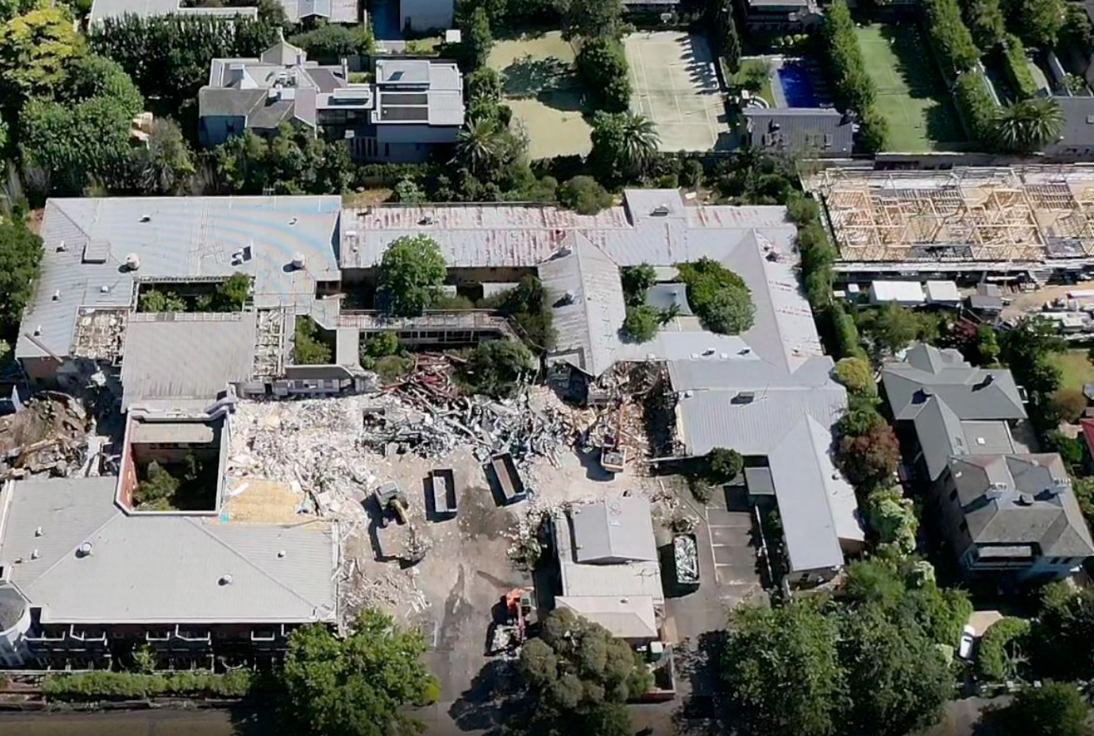
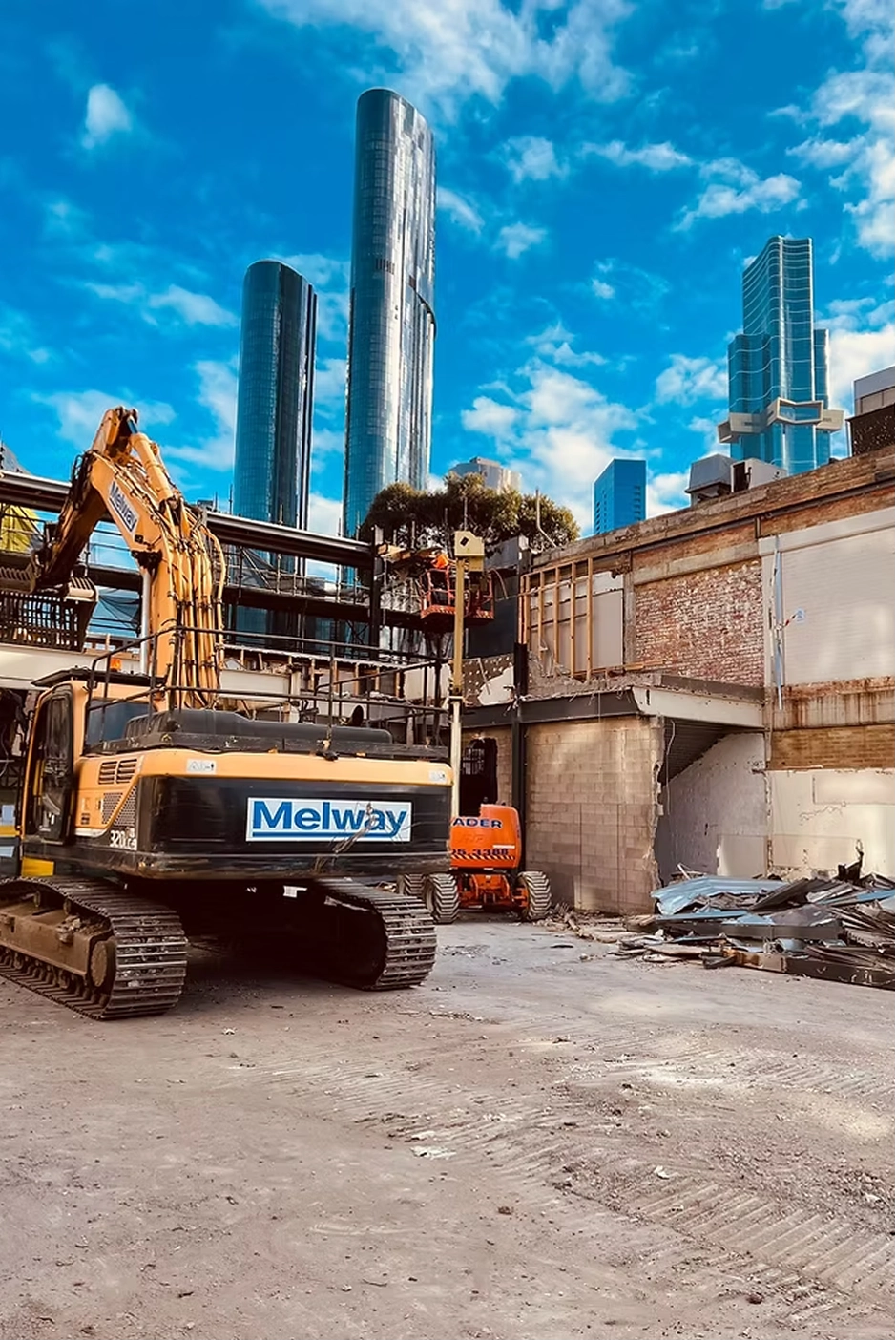
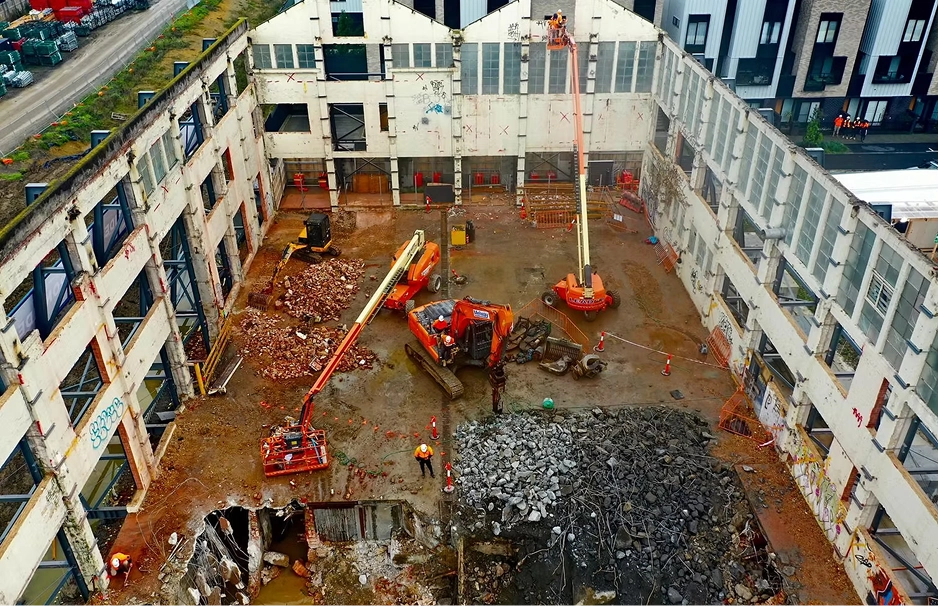
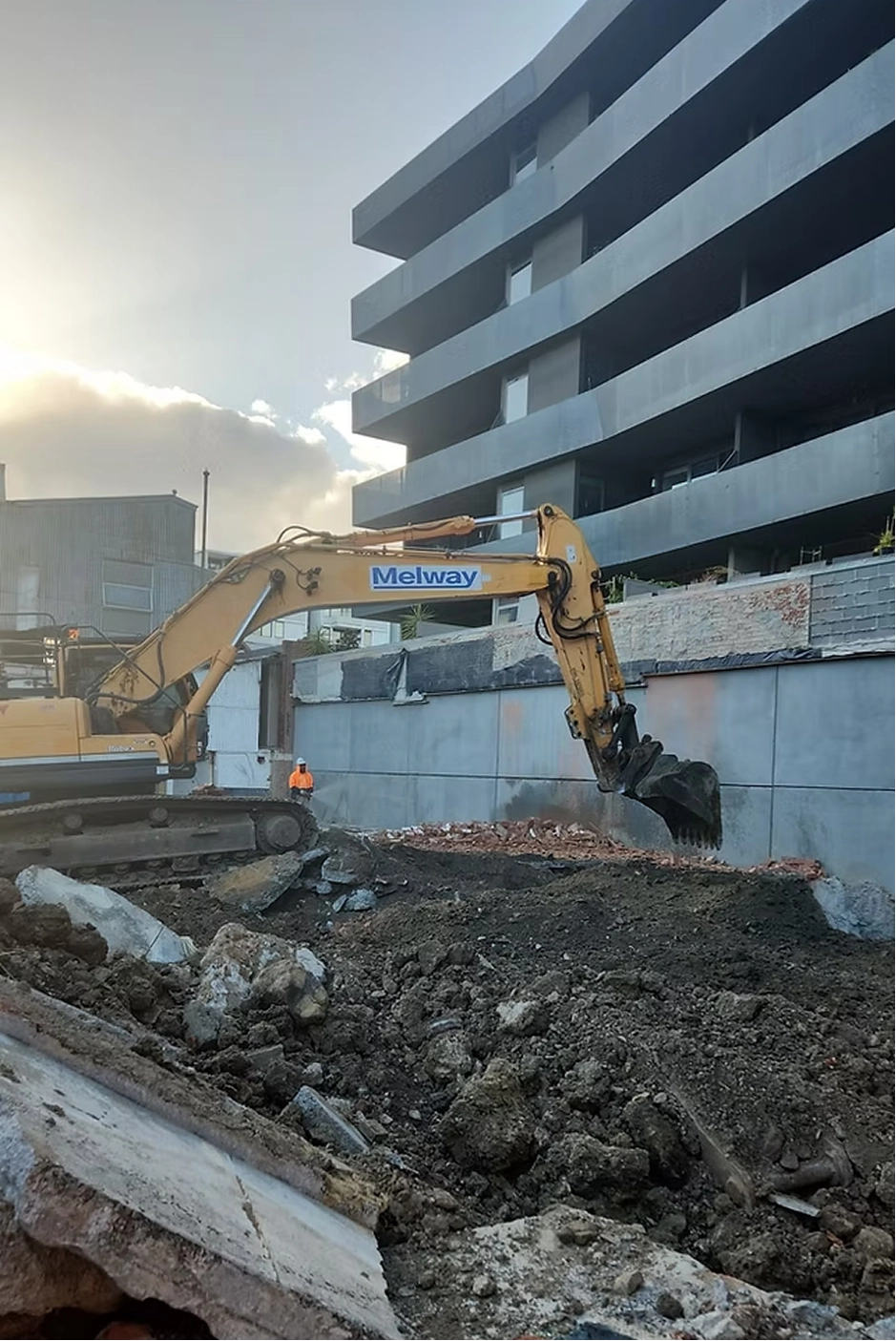
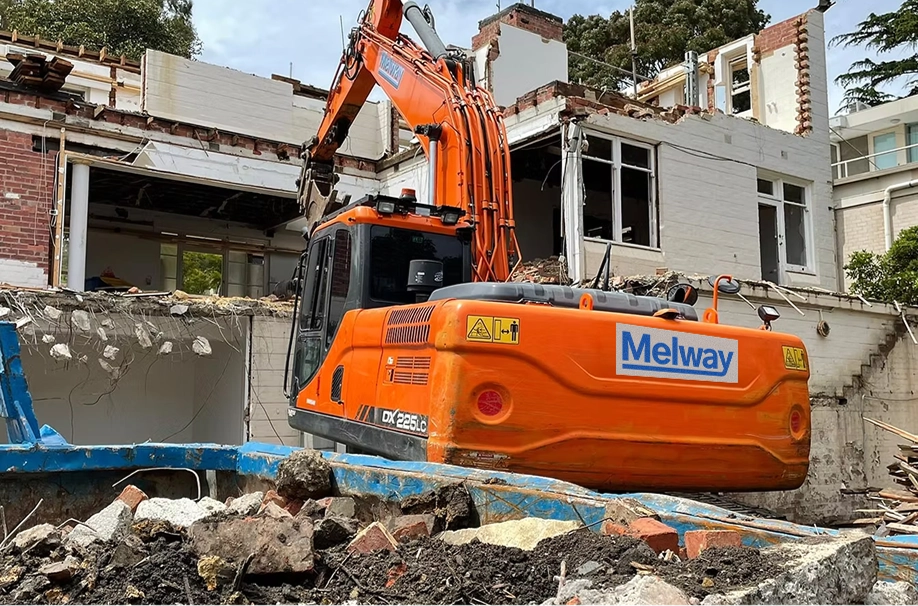
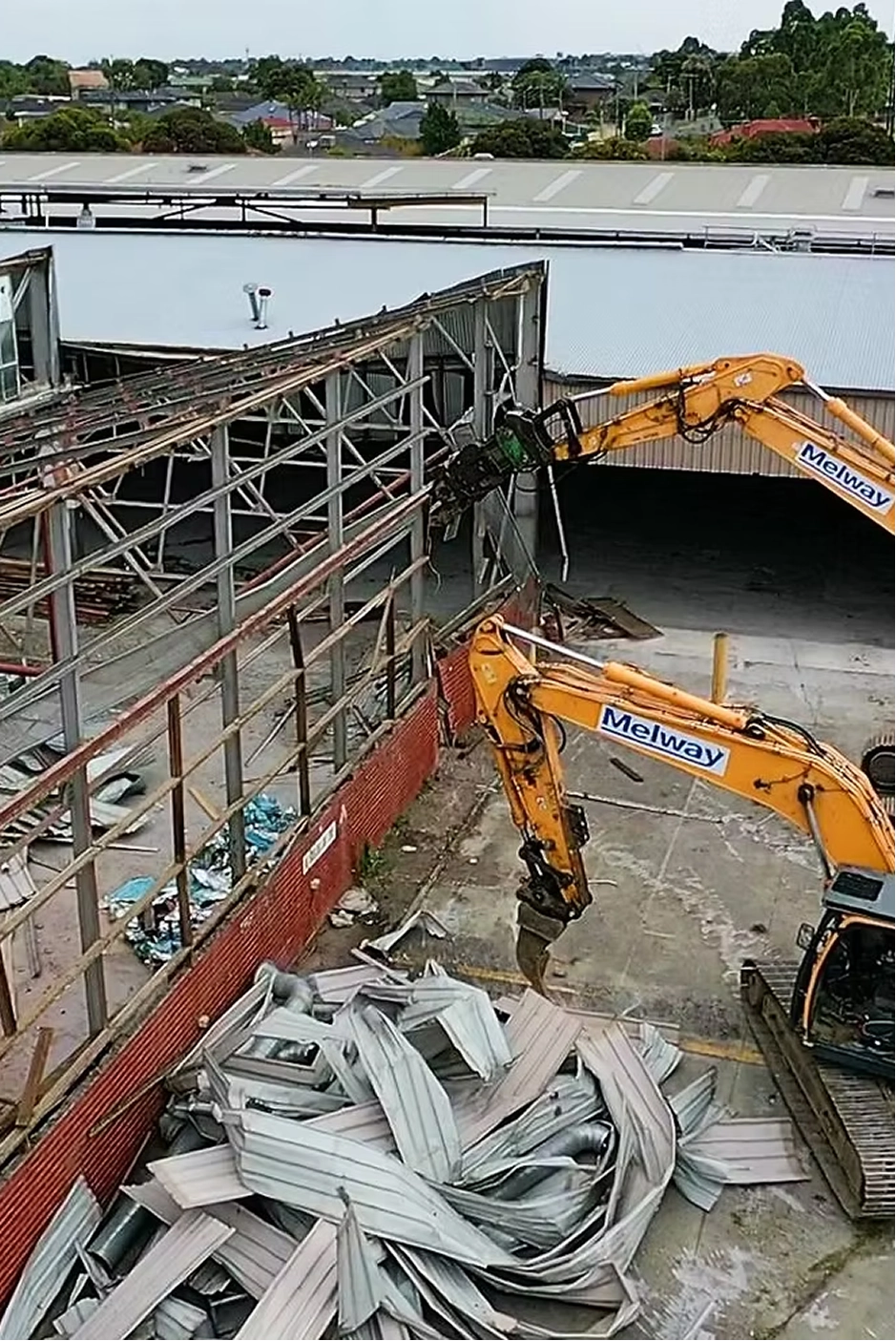
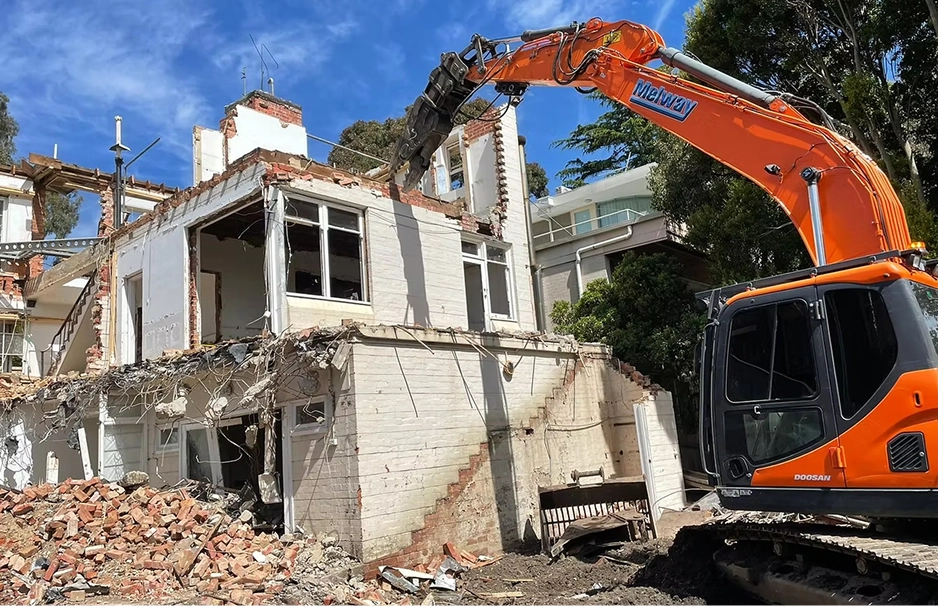
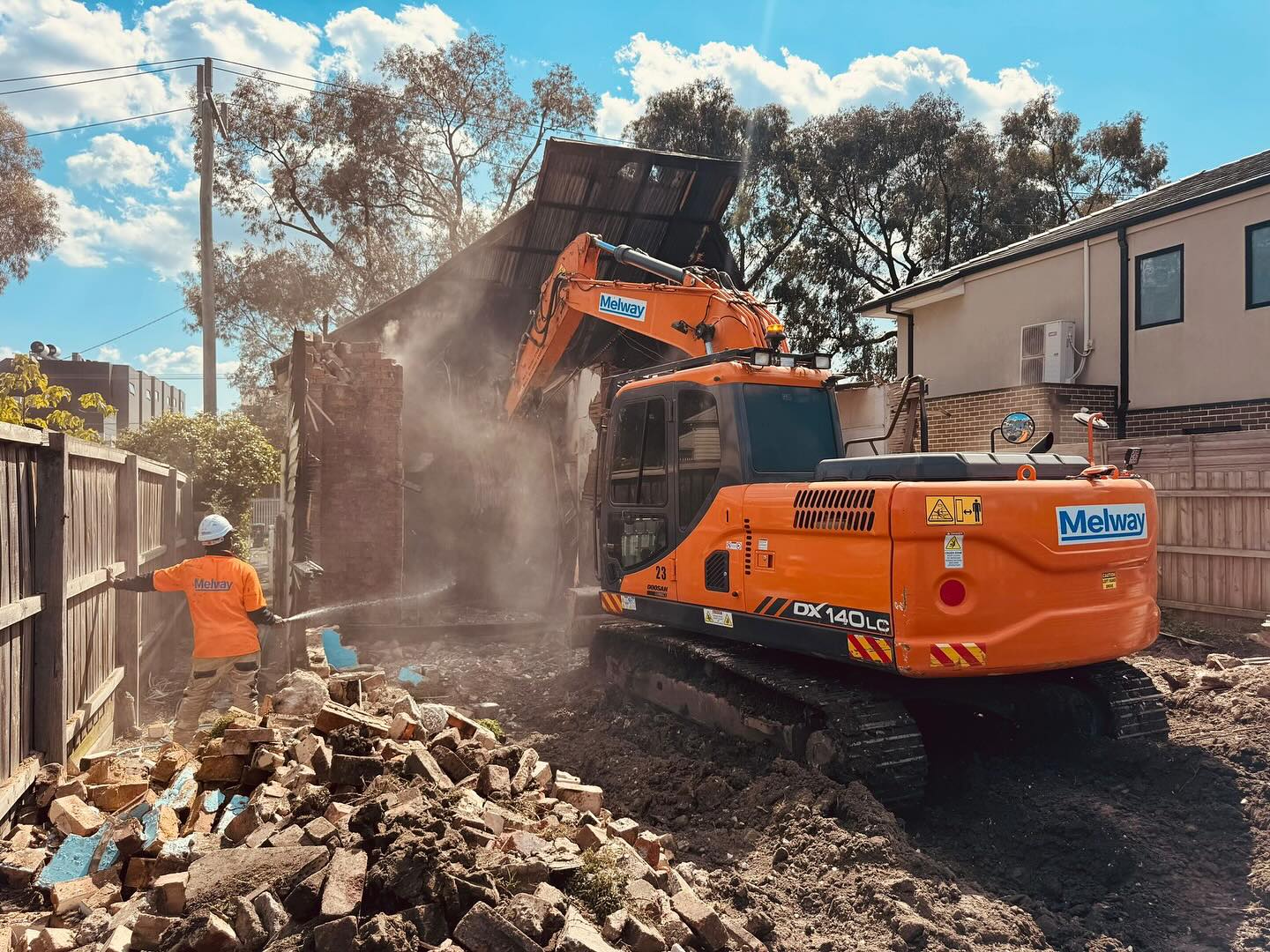
Once all permits, abolishment’s and safety measures are in place, demolition can begin. We encourage clients to visit the site beforehand to provide any final instructions. For safety reasons, only Melway staff are permitted on site once machinery is operating.
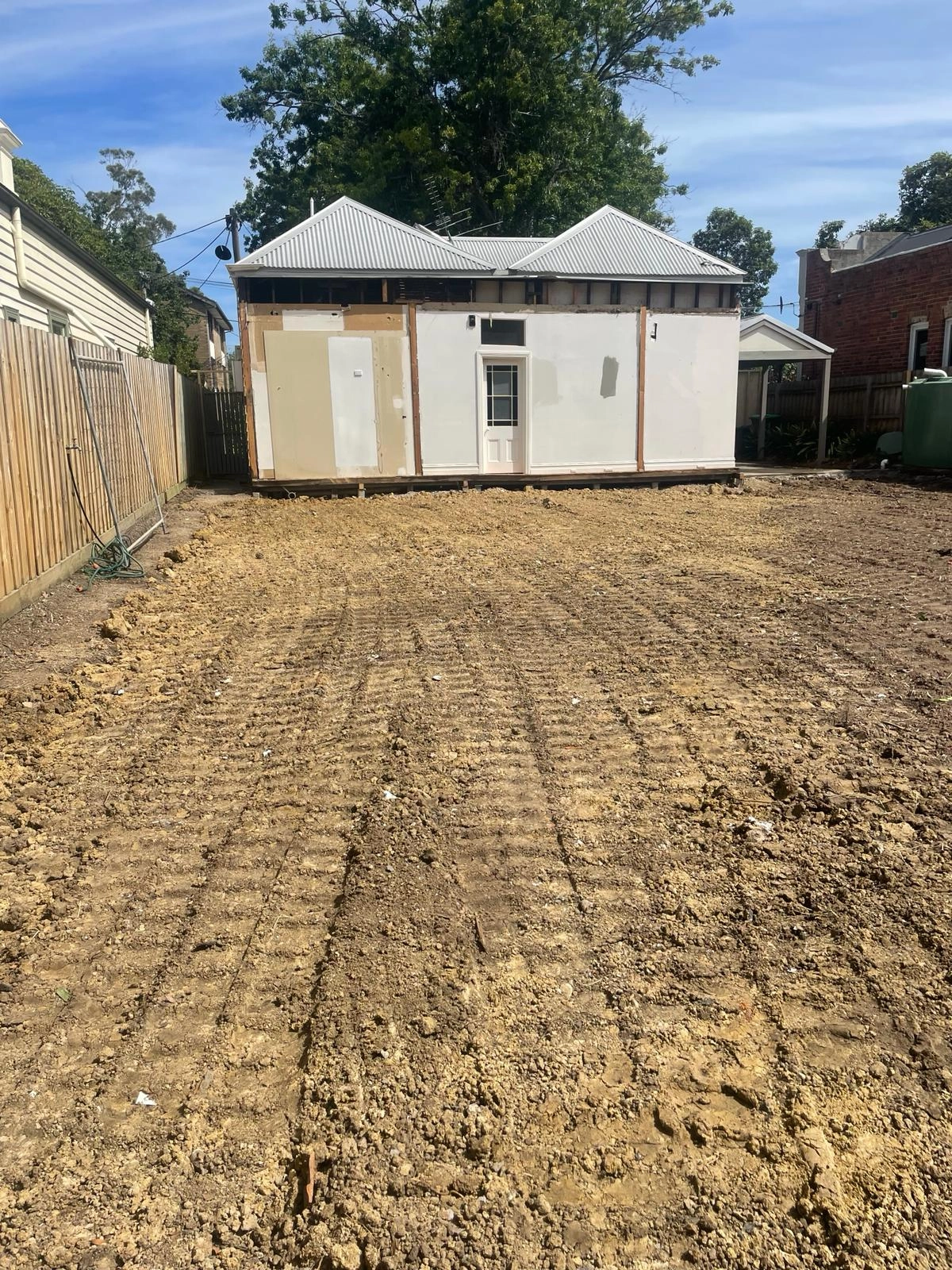
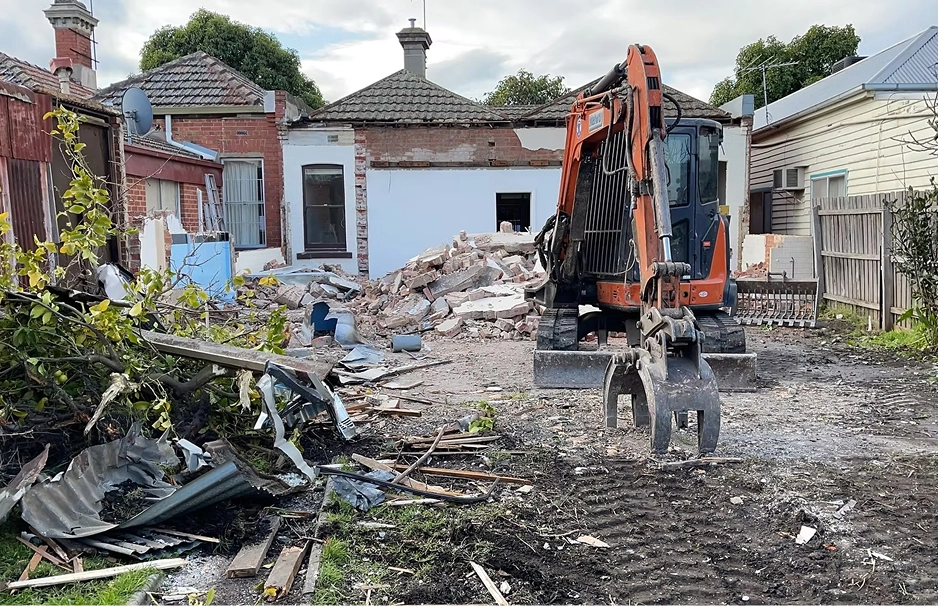
A standard residential demolition typically takes four to five days. When complete, your block will be cleared and ready for construction.
Final Thoughts
The demolition process may seem complex at first glance, but with the right guidance it becomes a straightforward and well‑managed sequence of steps. Our team is here to support you at every stage and ensure your project progresses with confidence and clarity.
If you have questions or would like to speak with a demolition expert, contact us on 03 9354 6996.