Skip bin hire often seems expensive at first glance. If you have been calling around for quotes, you have probably noticed that prices can vary but rarely feel “cheap”. What many people do not realise is what actually goes into the cost of hiring a bin. Understanding these factors helps you see where your money goes and how to make the most of your hire period.
Below is a simple breakdown of the main cost drivers behind skip bin hire, followed by practical tips to help you maximise your bin space and avoid unnecessary expenses.
What You Are Really Paying For?
Fuel Costs
Transporting skip bins requires large trucks that use significant fuel, especially for longer distances or routes involving toll roads. Travel time and fuel consumption are built into the hire price.
Landfill and Waste Processing Fees
This is the biggest contributor to skip bin pricing. While we offer flat hire rates, waste facilities charge per tonne. These costs have increased substantially in recent years due to environmental levies and stricter waste management regulations.
Labour
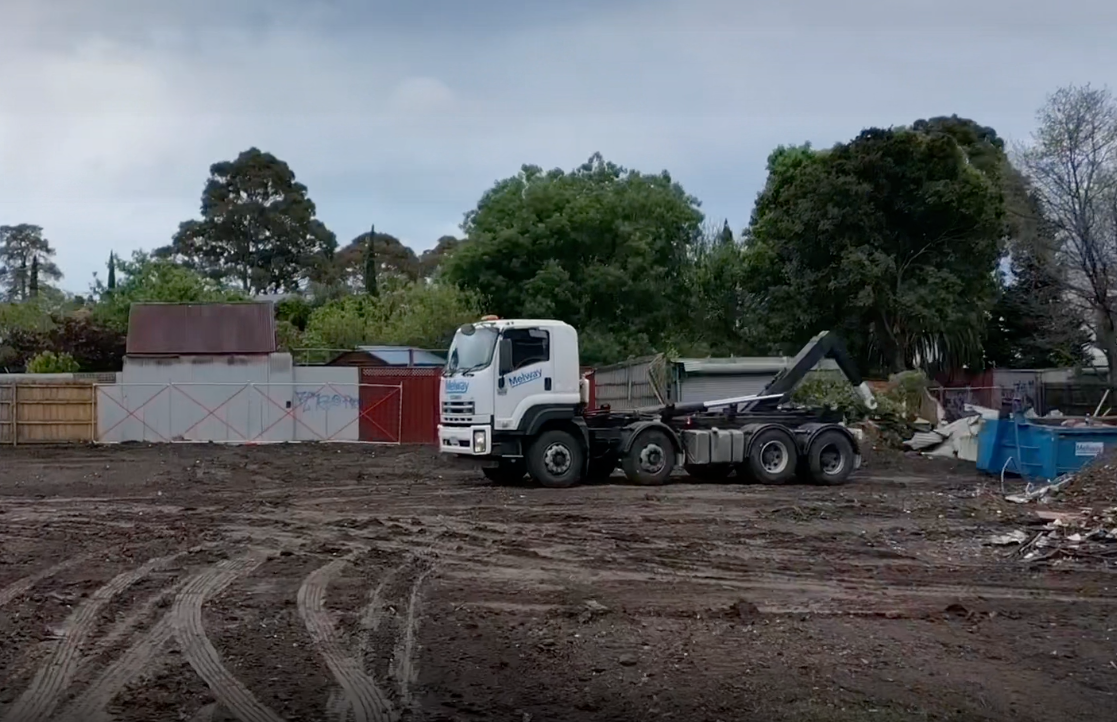
Behind every skip bin is a team of people who keep the service running. This includes drivers, office staff and our warehouse sorting team. At Melway, we operate our own private transfer station, which means every load is brought back to our depot and hand‑sorted to separate recyclables from general waste. This reduces landfill but requires skilled labour.
Business Overheads
Like any business, there are ongoing operational costs such as utilities, equipment maintenance, truck parts, safety gear and general administration. Larger companies have larger overheads, which can influence pricing.
How We Reduce Waste Going to Landfill
Every skip bin we collect is returned to our depot for hand sorting. This allows us to recover recyclable materials before the remaining waste is sent to landfill. It is a labour‑intensive process, but it significantly reduces environmental impact and supports responsible waste management.
Three Ways to Make the Most of Your Skip Bin Hire
1. Break Items Down
Disassemble bulky items such as bed frames, bookshelves, cabinets and furniture before placing them in the bin. Breaking items down increases available space and helps you fit more into your hire.
2. Use the Space Wisely
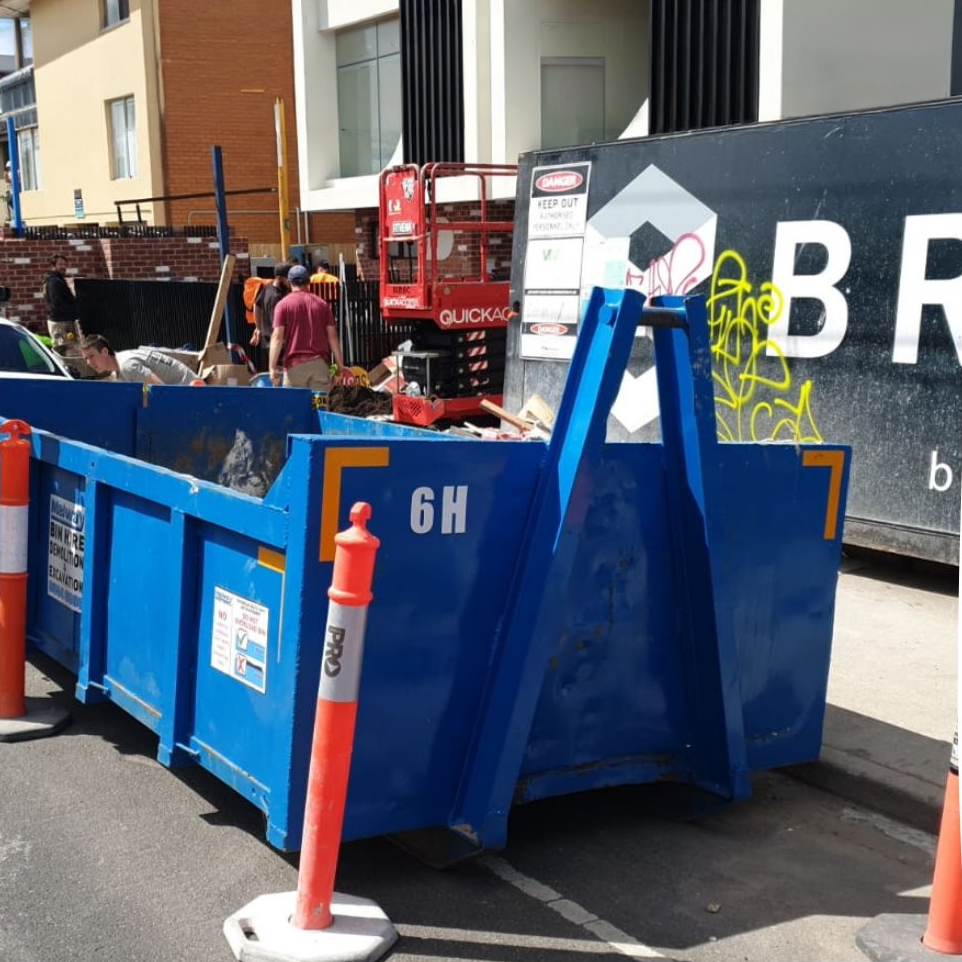
Think strategically before you start loading the bin.
- Flatten boxes
- Fill small gaps with smaller items
- Wrap glass to prevent injury
- Place awkward items in positions that maximise space
- Always have help when lifting heavy or oversized items
- Wear gloves to avoid splinters and injuries
A little planning goes a long way in making your bin more efficient.
3. Time Your Hire Well
Before booking, make sure you have people available to help and check the weather forecast. Wet conditions can make loading unsafe and unpleasant. If your bin fills faster than expected, call your skip bin provider as soon as possible. If timing allows, they may be able to swap the bin over so you can keep going without delay.
Final Thoughts
With a bit of planning and an understanding of what goes into skip bin pricing, you can get far more value out of your hire. Skip bins are an essential part of renovations, clean‑ups and construction projects, and knowing how to use them effectively makes the process smoother and more cost‑efficient.
We offer skip bins from 4m³ to 12m³ and larger, and we accept all major waste types including green waste, household waste, building waste and renovation waste.
For bookings or advice, call our team on 03 9354 6996.